Derinkuyu
Derinkuyu
Couldn't load pickup availability
In 1963, a man knocked down a wall in his basement and found a city for 20,000.
Why this tee
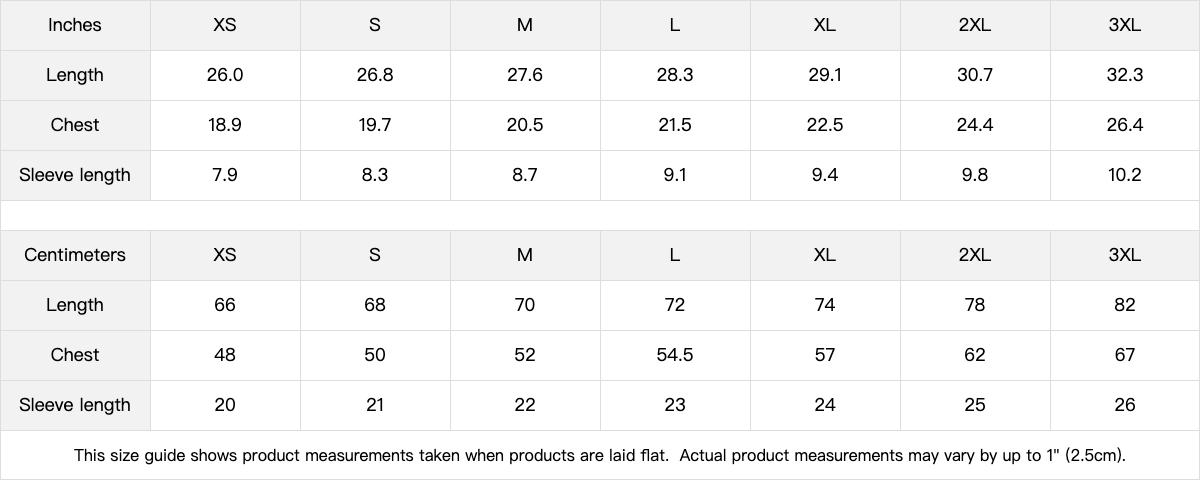
Fit: Slim and mid-weight, wears like a garment that has been somewhere — structured enough for a gallery wall, broken-in enough for a dig site.
Print: Chest-sized cross-section graphic of the Derinkuyu complex rendered in blueprint or engraving style, museum-grade ink — the kind of architectural record that belongs in a university archive.
Vibe: For Cappadocia regulars who skipped the fairy chimneys and went straight underground, anyone who has mapped the Arab-Byzantine wars on a whiteboard, and the archaeologists who stayed an extra two weeks.
The lore
The ancient city of Elengubu — known today as Derinkuyu, Turkish for "deep well" — sits beneath Nevşehir Province in Cappadocia, central Turkey. Depth: approximately 85 meters. Levels: 18 carved into volcanic tuff, with eight currently open to visitors. Capacity: up to 20,000 people, plus livestock, grain stores, oil and wine presses, schools, stables, and a barrel-vaulted missionary chamber on the second floor.
Archaeologists attribute initial construction to the Phrygians, circa 8th–7th century BCE. The city was expanded over the following centuries — first by Christian communities during Roman persecution, then most intensively during the Arab-Byzantine wars of the 7th through 10th centuries CE, when populations sealed themselves inside behind rolling millstone doors that could only be moved from within.
In 1963, a resident of the surface town was renovating his home when a wall caved in. Behind it: a tunnel. The tunnel led to chambers. The chambers connected to levels. The levels descended for nearly 280 feet. Excavation began immediately. The site opened to visitors in 1969.
Only about ten percent of Derinkuyu has been fully excavated. Tunnels connecting it to neighboring underground cities run as long as nine kilometers.
The man who found it was never named in any report.
Primary source
Smithsonian Magazine's documentation of Derinkuyu and the larger 2012 Nevşehir discovery — including the 20,000-person capacity figure and the 5,000-year dating of regional complexes — is available at smithsonianmag.com. The NORAD-equivalent fact page for the complex is maintained by the Turkish Ministry of Culture; the official capacity figures and depth records are consistently cited across peer-reviewed archaeological literature.
Sizing & styling
Runs slim through the body. If you're between sizes or want a looser drape across the shoulders, size up one. Wears clean on its own with raw or dark denim, or layered under an open overshirt — the kind of combination that looks intentional in a museum gift shop or a departure lounge.
Fabric & care
100% compact-yarn combed cotton, 210gsm mid-weight, pre-shrunk, bio-polished, single-needle stitched neckline, ribbed cotton-poly collar, tear-away label. Heather Gray is 90% combed cotton / 10% viscose. Machine wash cold, tumble dry low, do not iron the print.
Share