Live Broadcast
Live Broadcast
Couldn't load pickup availability
An estimated half-billion people watched on July 20, 1969 — and the signal had already been degraded before it left Australia.
Why this tee
Fit: Wears like a vintage broadcast tech uniform — structured through the shoulder seam, mid-weight enough to hold its shape on set or off, never stiff.
Print: Chest-sized retro broadcast graphic with scan-line texture and the particular warm-static palette of a 1960s NTSC feed — reads as technical artifact before it reads as design.
Vibe: For signal-chain obsessives who've read the Parkes station report, anyone who's studied the difference between SSTV and standard broadcast conversion, and the television historians who know what scan conversion does to picture quality at 250,000 miles.
The lore
When the Apollo 11 Eagle touched down on July 20, 1969, a Westinghouse slow-scan television camera mounted to the inside of the lunar module door was activated to capture the EVA. The camera transmitted a signal in an unconventional format — slow-scan television, or SSTV — which had to be converted in real time at tracking stations in Goldstone, California, and Parkes, Australia, before it could be broadcast in a format compatible with American television standards.
What the estimated half-billion viewers saw was a second-generation image. Engineers at the tracking stations watched the raw SSTV feed on dedicated monitors — clear, high-contrast footage that no member of the public ever saw. The scan conversion process degraded the signal significantly. NASA's own post-mission documentation describes the broadcast footage as "substantially degraded" from the original.
The one-inch M-22 telemetry tapes that held the raw feed were shipped to Goddard Space Flight Center, held briefly, then transferred to the Washington National Records Center — and later degaussed and reused to address a NASA-wide tape shortage in the early 1980s.
Forty-five tapes. Gone. The world's record of the event was always the copy of a copy.
Primary source
NASA's full account of the lost Apollo 11 telemetry tapes — including the scan conversion process, the tracking station footage, and the 1981 degaussing — is documented in the Apollo 11 Telemetry Data Recordings: A Final Report, published by NASA's Goddard Space Flight Center.
Sizing & styling
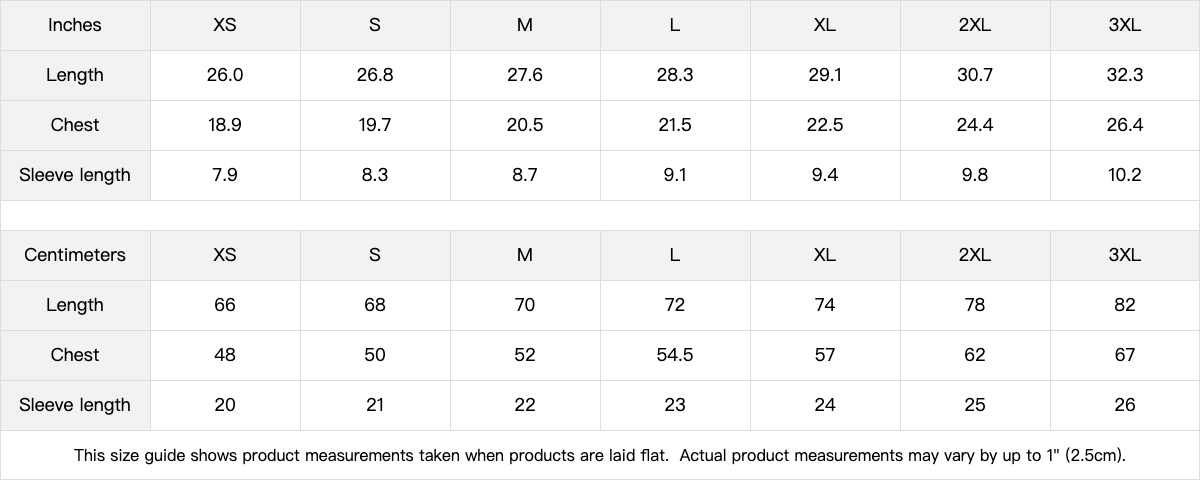
Slim fit through the body — if you want a relaxed, worn-in drape, size up one. Wears clean with raw denim or chinos, or layered under an open bomber the way a vintage broadcast technician's shirt does, graphic centered and visible.
Fabric & care
100% compact-yarn combed cotton, 210gsm mid-weight, pre-shrunk, bio-polished, single-needle stitched neckline, ribbed cotton-poly collar, tear-away label. Heather Gray is 90% combed cotton / 10% viscose. Machine wash cold, tumble dry low, do not iron the print.
Share