Suppressed vs. Pharma
Suppressed vs. Pharma
Couldn't load pickup availability
Two systems, one body, and a regulatory timeline that only runs one direction.
Why this tee
Fit: Structured enough to wear as a statement piece, relaxed enough to live in — mid-weight, slim through the torso, the kind of shirt that looks considered without trying.
Print: Chest-sized split-panel graphic — botanical on one side, clipboard and compound on the other — museum-grade ink that makes the composition read as editorial illustration before it reads as a shirt.
Vibe: For functional medicine patients who arrived after the third referral went nowhere, anyone who read the 1962 Kefauver-Harris hearings and felt the subtext, and the herbalists who knew what turmeric was doing before a pharma company filed the curcumin patent.
The lore
Before 1962, a drug could be marketed in the United States without proof it worked. That changed with the Kefauver-Harris Amendment, passed in the wake of the thalidomide crisis — a requirement that drugs demonstrate efficacy through controlled trials, not just safety. The regulation was correct. The side effect was a wall.
On one side of that wall: centuries of botanical pharmacopoeia, folk protocols, and traditional systems — none of which had the capital to run the trials the new standard required. On the other: patent-protected compounds, proprietary synthesis routes, and reimbursement codes. The wall did not invent the pharmaceutical industry. It did give it a moat.
The result is a split that runs through every waiting room, every formulary, every insurance denial letter. A plant that has been used clinically for three thousand years cannot make a label claim without an NDA. A synthetic compound with a six-week study can.
This tee does not take a side in the pharmacology. It marks the line. The line is real, it has a date on it, and the argument it generated has not concluded.
Primary source
The 1962 amendments and their regulatory context are documented in the FDA's own centennial history, "Promoting Safe and Effective Drugs for 100 Years", published by the FDA History Office in FDA Consumer, January–February 2006.
Sizing & styling
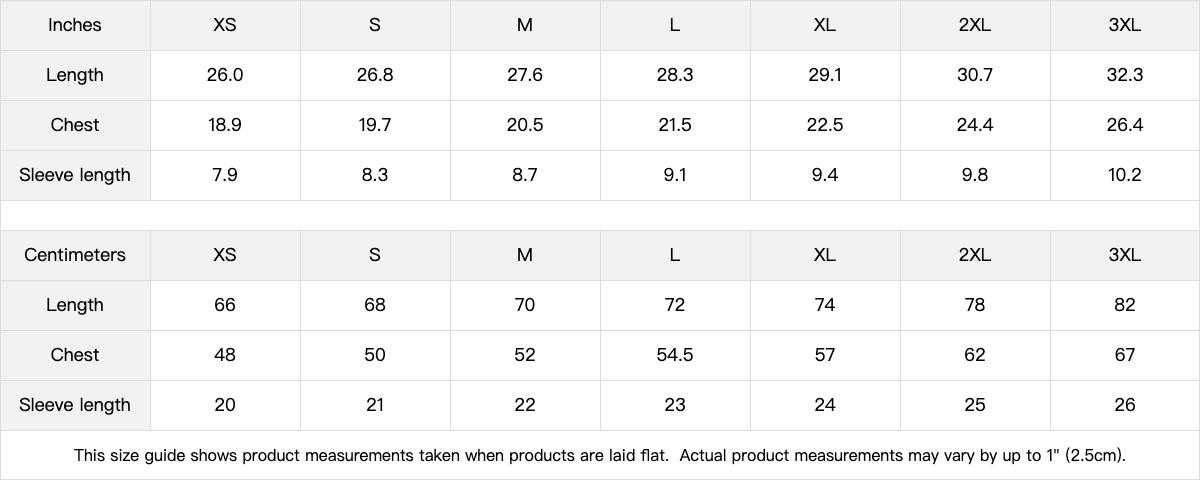
True to size with a slim, structured drape — if you run broad through the shoulders, size up one. Wears sharp with black slim trousers or raw denim, or layered under a minimal canvas jacket where the split-panel design reads cleanly against a dark outer layer.
Fabric & care
100% compact-yarn combed cotton, 210gsm mid-weight, pre-shrunk, bio-polished, single-needle stitched neckline, ribbed cotton-poly collar, tear-away label. Heather Gray is 90% cotton / 10% viscose. Machine wash cold, tumble dry low, do not iron the print.
Share