The Ancient Serpent
The Ancient Serpent
Couldn't load pickup availability
Three thousand years of iconography, and the image never changes.
Why this tee
Fit: Drapes like a piece pulled from a well-edited archive — substantial enough to hold its presence, slim through the torso without restricting, mid-weight through every season.
Print: Chest-sized serpent figure rendered in the graphic language of archaeological illustration — the kind of mark that belongs on a museum study wall as much as a chest.
Vibe: For Mesoamerican archaeology readers, anyone who has noticed that Quetzalcoatl and the Sumerian Ningizzida and the Hindu naga are all solving for the same image, and the person who bought the exhibition catalog on the way out.
The lore
By 2500 BCE, the Sumerians had already built a theology around it. Ningizzida — whose name translates as "Lord of the Good Tree" — was depicted as a serpent coiled around a staff, two snakes intertwined in a configuration that would survive the collapse of every empire that carried it forward. Babylon inherited the image. Greece borrowed it for Hermes. Rome kept it. The World Health Organization filed it.
The Maya plotted the same geometry from a different continent. On Late Classic vessels from the Guatemalan Lowlands — several of which now reside in the Jay I. Kislak Collection at the Library of Congress — lords sit in the open jaws of great serpents as a signifier of death, transit, and arrival in whatever comes next. The snake is not the enemy. The snake is the door.
In Hindu cosmology, the naga are a race of divine serpent beings who guard the thresholds between realms — depicted in relief at Angkor, carved into the lintels of Khmer temple complexes, embedded in ritual Sanskrit texts whose dates of composition remain disputed but whose iconography does not.
No coordination is documented. The image keeps arriving anyway — coiled, watching, patient in the way that something patient across millennia tends to look.
Primary source
The Library of Congress holds several Maya vessels depicting lords in the open mouths of serpents as underworld transit imagery — from the Late Classic period, AD 600–900 — documented in the Exploring the Early Americas exhibition, Jay I. Kislak Collection, Rare Book and Special Collections Division.
Sizing & styling
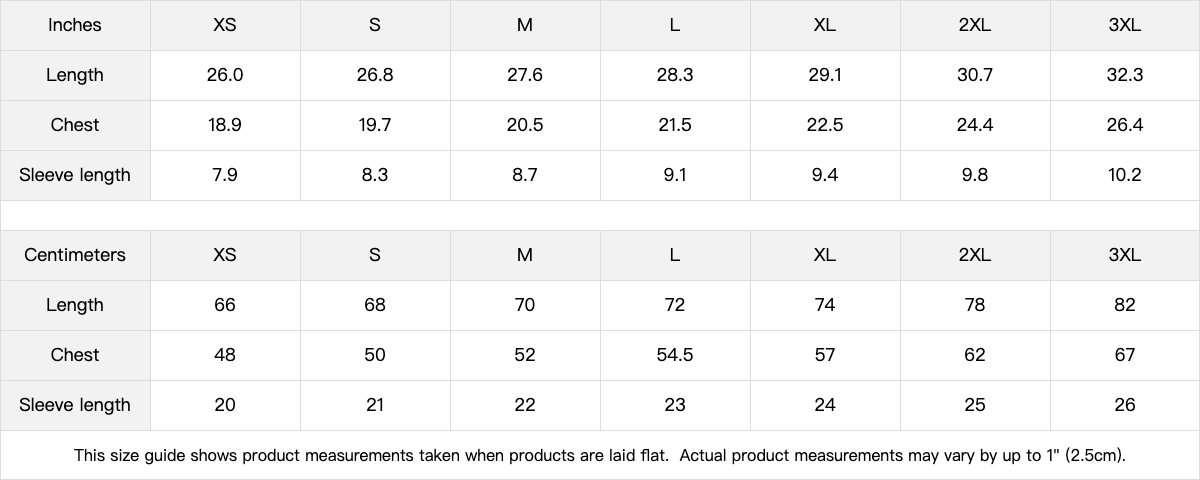
Runs slim through chest and waist. If you're between sizes or prefer a relaxed fit over the shoulders, size up one. Wears well with dark denim and minimal footwear, or layered under an open canvas jacket where the print becomes a detail rather than the lead.
Fabric & care
100% compact-yarn combed cotton, 210gsm mid-weight, pre-shrunk, bio-polished, single-needle stitched neckline, ribbed cotton-poly collar, tear-away label. Heather Gray is 90% combed cotton / 10% viscose. Machine wash cold, tumble dry low, do not iron the print.
Share