The Excavation
The Excavation
Couldn't load pickup availability
The dig log stops mid-sentence, and that is where the story starts.
Why this tee
Fit: Wears like a site tee that's been through a season — structured enough through the chest to look deliberate, mid-weight enough to layer without bulk.
Print: Chest-sized excavation scene rendered in fine-line archaeological illustration style, the kind of mark that reads as a field sketch before it reads as a graphic.
Vibe: For physical anthropology graduates who've read the Cyrus Thomas field notes, museum professionals who know exactly which basement wing the anomalous crates go to, and independent archaeologists who cross-reference nineteenth-century newspaper archives against institutional collection records.
The lore
In 1882, Cyrus Thomas was hired by the Smithsonian's Bureau of Ethnology to settle the question definitively: who built the mounds. The federal government wanted one answer, documented in field reports, and Thomas spent twelve years in the field to produce it.
His 1894 Report on the Mound Explorations of the Bureau of Ethnology runs 742 pages and documents excavations across more than two dozen states. The official conclusion — that the mounds were built by ancestors of historical Native American nations — became the scholarly consensus it remains today.
Buried in that same report, without commentary, are the measurements. A skeleton excavated from a mound in the Kanawha Valley near Charleston, West Virginia, recorded at approximately seven feet six inches. A burial in Roane County, Tennessee, described as "of unusual size." Field notes from Minnesota noting seven skeletons ranging from seven to eight feet. Thomas recorded what his crews found. He drew no conclusions from the larger measurements.
The bones were shipped to Washington for study. The institutional record of what happened to them afterward is incomplete.
The Excavation is for the people who read primary sources and notice what the summaries leave out.
Primary source
Cyrus Thomas's original field measurements, including the Kanawha Valley skeleton, are documented in the Report on the Mound Explorations of the Bureau of Ethnology, 12th Annual Report, 1894, published by the Bureau of American Ethnology and preserved in full at the Internet Archive.
Sizing & styling
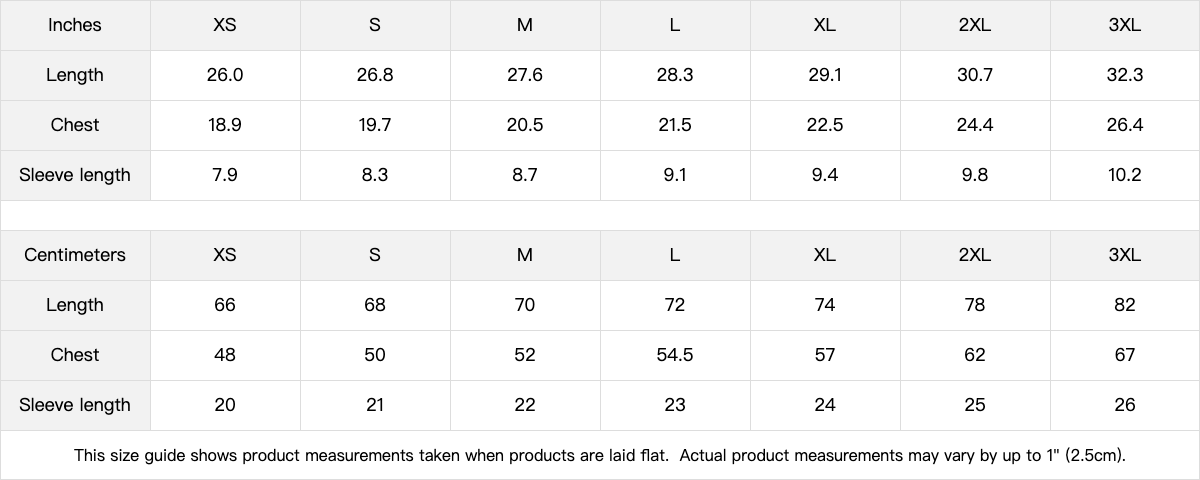
Runs slim through the body — if you're between sizes or prefer a relaxed fit, size up one. Wears clean on its own with dark-wash denim, or under an open canvas work shirt the way a site field jacket reads: functional and specific.
Fabric & care
100% compact-yarn combed cotton, 210gsm mid-weight, pre-shrunk, bio-polished, single-needle stitched neckline, ribbed cotton-poly collar, tear-away label. Heather Gray is 90% combed cotton / 10% viscose. Machine wash cold, tumble dry low, do not iron the print.
Share