The Hamsa
The Hamsa
Couldn't load pickup availability
Hung on doors from Marrakesh to Baghdad for a thousand years. Same hand, same eye, three different faiths, one job.
Why this tee
Fit: Wears like a Berber tunic with the sleeves cut — slim through the body, mid-weight, drapes from a soft shoulder line without structure, the cut that travels.
Print: Chest-sized symmetrical Hamsa graphic in indigo and ivory ink on cream fabric, reads as a hammered-silver souk pendant before it reads as a print.
Vibe: For travelers who have bought one off a stall in the Jemaa el-Fnaa and another off a kiosk in Tel Aviv and noticed they were the same object, ethnographers who have tracked the Hand of Fatima through Berber, Jewish, and Andalusian metalwork, and anyone who has hung one in a doorway because their grandmother said to.
The lore
The Hamsa — also called the Hand of Fatima in Muslim contexts, the Hand of Miriam in Jewish, and khamsa in classical Arabic — is a palm-shaped amulet that has been worn, hung in doorways, embroidered into textiles, and forged in silver across North Africa, the Levant, the Iberian Peninsula, and the eastern Mediterranean for over a millennium. The form is consistent: a symmetrical open right hand with the thumb and pinky finger mirroring each other outward, often centered on a single open eye in the palm.
The pre-Islamic origins are documented in Phoenician and Punic iconography from the western Mediterranean, where the open hand appears on stelae dedicated to the goddess Tanit at Carthage between the eighth and second centuries BC. After the Islamic conquests of the seventh and eighth centuries, the symbol was absorbed into Maghrebi Muslim folk practice and given a new theological frame: the five fingers represent the Five Pillars of Islam, and the hand itself is named for Fatima al-Zahra, daughter of the Prophet Muhammad. Jewish communities of North Africa, Iberia, and the Levant adopted the same form and renamed it for Miriam, sister of Moses. Christian communities of the Coptic Egypt and Maronite Lebanon adopted it as a protection symbol with no theological revision at all.
The eye in the palm is the older element. It descends, by way of Phoenician trade and Berber metalwork, from the same Mediterranean apotropaic-eye tradition that fed the Egyptian Wedjat into Greek and Roman household shrines. The hand and the eye, fused into a single symbol, were marketed across three religions and four continents because all three religions and four continents had a use for them. The Met holds Hamsa amulets in its Islamic Art department. The Israel Museum holds them in its Judaica collection. The British Museum holds them in its Islamic Coins and Medals department.
The hand is a defense. The eye is a watch. Hung on a door, the amulet is a warning to whatever evil approaches: there is already a witness here.
Sizing & styling
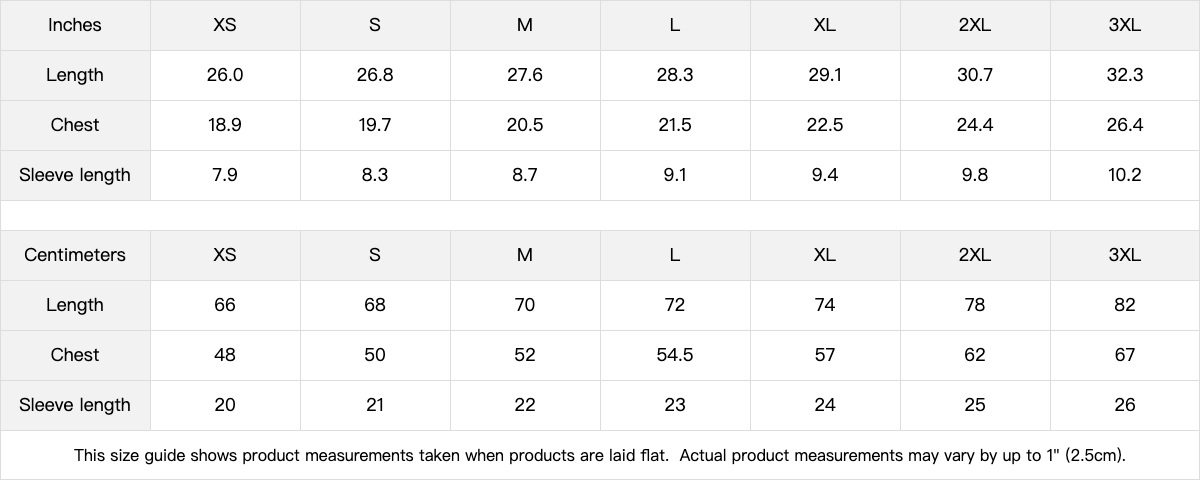
Slim fit through the chest and shoulders — size up one if you want a relaxed drape or plan to wear it over a long-sleeve henley. Wears clean with sand-colored linen pants and woven leather sandals, or under an unstructured indigo overshirt with the hand visible at the open collar.
Fabric & care
100% compact-yarn combed cotton, 210gsm mid-weight, pre-shrunk, bio-polished, single-needle stitched neckline, ribbed cotton-poly collar, tear-away label. Heather Gray is 90% cotton / 10% viscose. Machine wash cold, tumble dry low, do not iron the print.
Share