The Lost Exposition
The Lost Exposition
Couldn't load pickup availability
The White City opened on May 1, 1893, and everything standing inside it was gone within two years.
Why this tee
Fit: Drapes with the easy weight of a museum-gift-shop purchase you actually kept — slim through the torso, mid-weight enough to hold its shape without announcing itself.
Print: Chest-sized engraving of fair grounds and domed pavilions, rendered in the tight cross-hatch of period illustration, the kind of mark that reads as architectural study before it reads as graphic.
Vibe: For White City obsessives who've read Erik Larson twice, anyone who's noticed that the Administration Building columns didn't photograph like scaffolding, and the crowd that keeps asking why nothing that ornate was ever "temporary."
The lore
The 1893 World's Columbian Exposition in Chicago occupied 690 acres of Jackson Park on the city's South Side. Frederick Law Olmsted laid out the grounds. The Manufacturers and Liberal Arts Building, designed by architect George Post, covered thirty-two acres — at the time, the largest building in the world. It was gone by 1894.
Fourteen "Great Buildings" made up the Court of Honor, their exteriors coated in a mixture of plaster of Paris and cement called staff, which gave the complex its nickname: the White City. The official explanation for the demolition is economics — temporary structures, fire hazard, cost of upkeep. The fair closed October 30, 1893. By 1894 most of it had burned or been razed.
What survives are the catalogs, the survey maps, and the photographs. They document a built environment assembled faster than any contemporary construction technology could reasonably explain, with neoclassical detailing at a scale and consistency that would strain a modern contractor given unlimited budget and a decade.
The Tartaria reading of the exposition is not that it was built quickly. It's that it was already there.
Primary source
The Library of Congress Geography and Map Division holds Hermann Heinze's original souvenir survey map of Jackson Park and the fairgrounds, engraved by A. Zeese & Co., Chicago, 1892 — viewable in full via the LOC Geography and Map Division digital collection.
Sizing & styling
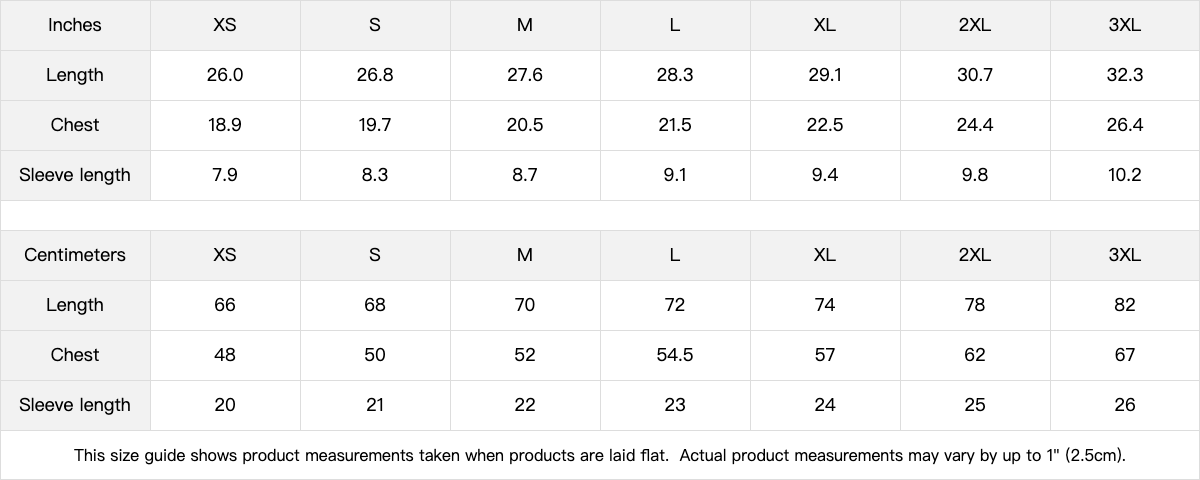
Runs slim through the chest and waist — if you're between sizes or want a relaxed fit, size up one. Wears clean on its own with dark chinos or raw denim, or layered under an open wool coat the way a student of the built environment would wear it on a site visit.
Fabric & care
100% compact-yarn combed cotton, 210gsm mid-weight, pre-shrunk, bio-polished, single-needle stitched neckline, ribbed cotton-poly collar, tear-away label. Heather Gray is 90% combed cotton / 10% viscose. Machine wash cold, tumble dry low, do not iron the print.
Share