The Nephilim
The Nephilim
Couldn't load pickup availability
Genesis 6:4 is four verses long and has never stopped requiring explanation.
Why this tee
Fit: Drapes like a heavyweight vintage tee — structured across the shoulders, mid-weight enough to read as considered rather than casual, falls clean through the waist.
Print: Chest-sized figure rendered in the angular, etched style of ancient Near Eastern relief carving — a form that reads as artifact before it reads as graphic.
Vibe: For Dead Sea Scrolls readers who've pulled the 4Q203 fragments, seminary students who flagged the Benai Elohim problem in second year, and anyone who has read both the Book of Enoch and the Book of Numbers 13:33 in the same sitting.
The lore
Genesis 6:4 in the Hebrew text reads: ha-Nephilim hayu va-aretz ba-yamim ha-hem — "the Nephilim were on the earth in those days." The Hebrew noun nĕpilîm derives from the root nāpal, to fall. The Septuagint, the Greek translation of the Hebrew scriptures completed in the third century BCE, renders it gigantes. That translation was not an elaboration. It was the scholarly consensus of the ancient world.
The question the text does not settle — and the one that has occupied commentators since the second century BCE — is the identity of the Benai Elohim, the sons of God, who fathered children with the daughters of men. The angel interpretation, the dominant reading in the Second Temple period, produced a secondary literature. Among the Dead Sea Scrolls discovered at Qumran in 1947 are fragments of the Book of Giants, designated 4Q203 and 4Q530–4Q532, which elaborate on the offspring of that union and their eventual destruction in the flood.
The Qumran community, copying manuscripts in the first century BCE, treated the Nephilim as historical. Numbers 13:33 has the Israelite spies returning from Canaan reporting giants — specifically, the descendants of Anak — and describing themselves as grasshoppers by comparison.
The text is not allegory. The text is a field report.
Primary source
The Aramaic fragments of the Book of Giants — manuscript designations 4Q203, 4Q530, 4Q531, and 4Q532 — are included in Florentino García Martínez's scholarly translation The Dead Sea Scrolls Translated: The Qumran Texts in English, with the relevant texts at pages 260–61, preserved at the Internet Archive.
Sizing & styling
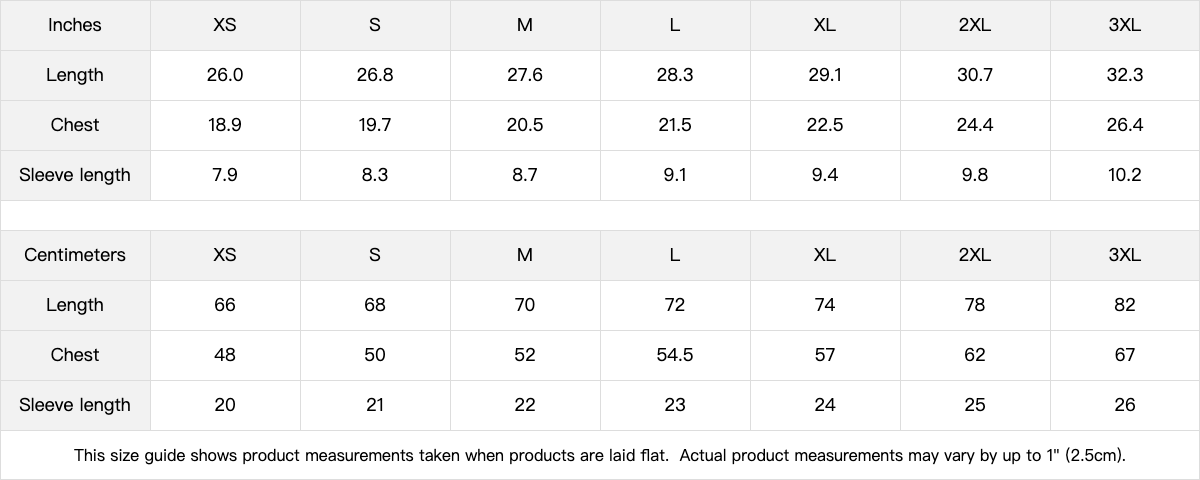
Slim fit through the chest and body — if you're between sizes or want extra room across the shoulders, size up one. Wears well with dark denim and leather, or under a structured overshirt with the chest graphic visible. The angular print reads differently in different light.
Fabric & care
100% compact-yarn combed cotton, 210gsm mid-weight, pre-shrunk, bio-polished, single-needle stitched neckline, ribbed cotton-poly collar, tear-away label. Heather Gray is 90% combed cotton / 10% viscose. Machine wash cold, tumble dry low, do not iron the print.
Share