The Smithsonian Coverup
The Smithsonian Coverup
Couldn't load pickup availability
Eighteen thousand skeletons entered the building. The accounting of what left is still being requested.
Why this tee
Fit: Wears like a press credential tee from a job that got reassigned — slim through the torso, mid-weight, holds its shape like something that was meant to be kept.
Print: Chest-sized newspaper front-page layout in period broadsheet typography, the kind of mark that reads as archive before it reads as design.
Vibe: For FOIA regulars who've read the Native American Graves Protection and Repatriation Act filings, journalists who've pulled institutional collection records and compared them to field reports, and anyone who tracks the distance between what an institution says it holds and what it was documented receiving.
The lore
Between 1881 and 1894, the Smithsonian Institution's Bureau of Ethnology conducted a systematic excavation of burial mounds across the eastern United States under the direction of ethnologist Cyrus Thomas. The mandate was scientific: determine who built the mounds. The institutional outcome was a 742-page report that settled the question for the scholarly consensus.
What the exercise also produced was a collection. The Bureau encouraged field teams and independent excavators to ship skeletal remains to Washington for study. By the time the Native American Graves Protection and Repatriation Act passed in 1990, the Smithsonian held more than 18,000 individual sets of human remains, the majority recovered from mounds during the decades of systematic collection.
Nineteenth-century newspaper accounts — in named papers, with named journalists and named institutional sources — recorded that skeletal remains of unusual dimensions were among those shipped to Washington. Those accounts exist in the archive. The collection records for those specific remains are absent or incomplete.
In 2023, Smithsonian Secretary Lonnie G. Bunch III acknowledged the institution's history of acquiring human remains — thousands of individuals, many without consent, collected under Hrdlička's tenure from 1903 to 1941.
The unusual finds are a subset of that larger accounting problem. The record of what entered the building and the record of what was documented afterward do not align.
Primary source
The Smithsonian Institution's Bureau of Ethnology conducted its mound excavations across 1881–1894, and the institutional scope of the human remains collection is documented in the 12th Annual Report of the Bureau of Ethnology, 1890–91, preserved at the Internet Archive.
Sizing & styling
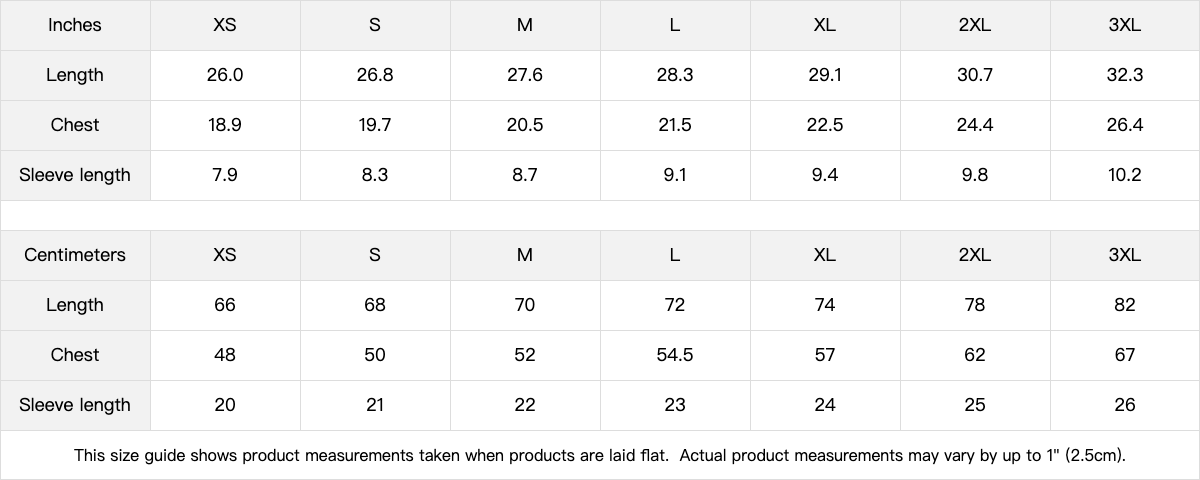
Slim fit through the chest and waist — size up one if you prefer a relaxed drape or extra room across the shoulders. Wears clean on its own with dark trousers, or layered under an open jacket where the broadsheet print reads at full scale.
Fabric & care
100% compact-yarn combed cotton, 210gsm mid-weight, pre-shrunk, bio-polished, single-needle stitched neckline, ribbed cotton-poly collar, tear-away label. Heather Gray is 90% combed cotton / 10% viscose. Machine wash cold, tumble dry low, do not iron the print.
Share