The Wedjat
The Wedjat
Couldn't load pickup availability
3,200 years before the founding fathers, Egyptian craftsmen pressed the same eye into blue faience and called it the one that is sound.
Why this tee
Fit: Wears like an excavated linen — slim through the body, mid-weight cotton that drapes over a low rise without pulling, the cut you wear when you do not want to think about the shirt.
Print: Chest-sized faience-amulet graphic in lapis, turquoise, and antique gold ink on cream fabric, reads as a museum-plate illustration before it reads as a t-shirt.
Vibe: For Egyptology students who have logged hours in the British Museum's Department of Egypt and Sudan, ICOM members who know which storeroom holds the Late Period material, and anyone who learned that the same symbol on the dollar in their pocket was being worn around the necks of Memphite priests during the reign of Ramesses II.
The lore
The Wedjat — alternately rendered Wadjet, Udjat, or "Eye of Horus" — is the most-found amulet in the archaeological record of pharaonic Egypt. The British Museum's Department of Egypt and Sudan holds thousands of them, dated continuously from the Old Kingdom through the Roman period, a span of roughly 2,700 years. Most are made of blue or green faience, the glazed silica composition that turned Egyptian aesthetics into a recognizable global signature.
The myth that names the eye is preserved in the Pyramid Texts and elaborated in later New Kingdom papyri. Horus, son of Osiris, fights his uncle Set to avenge his father's murder. In the struggle, Horus loses his left eye. The god Thoth — scribe of the gods, keeper of records — recovers and restores the eye. The restored eye, the Wedjat, becomes the symbol of healing, completeness, and protection from harm. Its name in Egyptian, wḏ3t, translates literally as "the one that is sound" or "the whole one."
The amulets were worn by the living and stitched into mummy wrappings for the dead. Tomb paintings show them painted on the prows of ships to ensure safe voyages. Egyptian medical practitioners drew them on bandages and over wound sites. The same eye, in the same proportions, with the curling cosmetic line and the falcon-cheek marking, appears on artifacts from Saqqara, Thebes, Tanis, and Amarna — meaning the canonical form was already standardized across the kingdom by 1500 BC.
The eye crossed the Mediterranean with Phoenician traders, was adopted by Greek sailors as the apotropaic eye still painted on Aegean fishing boats, and entered Roman household shrines as a protective symbol against the evil eye. It would resurface, fifteen centuries later, in Renaissance Christian iconography as the eye in the triangle. Whether the chain is direct transmission or independent reinvention has been argued by Egyptologists for over a century. The British Museum and the Metropolitan Museum both note the iconographic continuity in their catalogue entries.
The eye on the dollar bill is the great-great-grandchild of an object that priests in Memphis were sewing into linen 32 centuries before the United States existed.
Primary source
The British Museum's catalogue of Wedjat amulets — including continuous datings, materials, and provenance from Egyptian Late Period and Ptolemaic sites — is publicly accessible: Wedjat eye amulet, British Museum collection, registration number 1897,0508.60.
Sizing & styling
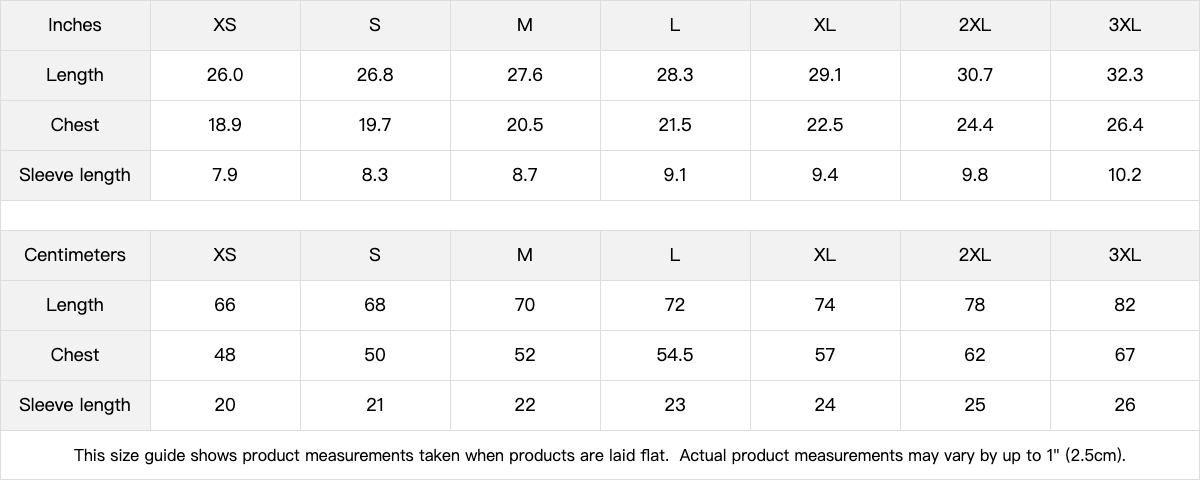
Slim fit through the chest and shoulders — size up one if you prefer room through the torso or plan to layer over a long-sleeve. Wears well with sand-colored linen trousers and woven leather sandals, or under a soft camel overshirt with the amulet visible at the open collar.
Fabric & care
100% compact-yarn combed cotton, 210gsm mid-weight, pre-shrunk, bio-polished, single-needle stitched neckline, ribbed cotton-poly collar, tear-away label. Heather Gray is 90% cotton / 10% viscose. Machine wash cold, tumble dry low, do not iron the print.
Share